
Support With Structure: Coaching, Mentoring, and Performance Planning at Work
A thoughtful look at why strong workplaces need more than good intentions. Learn how coaching, mentoring, clear expectations, and performance planning create healthier, more accountable teams. When expectations are vague and support is inconsistent, teams drift. This article explores how coaching, mentoring, and formal performance planning can create the clarity, accountability, and psychological safety people need to grow.
PROJECT
1/8/2026


Over the years, one thing I have come to believe very strongly is that most people want to do well at work. Most people do not show up hoping to underperform, miss the mark, or become a problem on a team. More often than not, when things start to go sideways, it is because expectations were not clear, support was inconsistent, feedback came too late, or nobody put the right structure in place early enough.
I have seen what happens when leaders avoid that structure.
People start filling in the blanks for themselves. Everyone ends up working from a slightly different understanding of what good looks like. Goals become vague. Standards get interpreted differently. Frustrations build quietly. Concerns sit too long without being addressed. Before long, the workplace starts to feel reactive, unclear, and more stressful than it needs to be.
That is usually when culture starts to slip.
In my view, good leadership is not about controlling people, and it is not about protecting people from every hard truth either. It is about creating the conditions where people can actually succeed. That means being clear. It means paying attention. It means having honest conversations early. It means offering support, guidance, and coaching while also holding a reasonable line around expectations, behaviour, accountability, and work ethic.
That balance matters.
I think a lot of workplaces struggle because they lean too hard in one direction. Some leaders rely too much on authority and pressure, and the result is fear, guarded behaviour, and people saying as little as possible just to stay out of trouble. Others avoid difficult conversations altogether because they want to be liked or they do not want conflict, and the result is confusion, inconsistency, and issues that grow larger than they ever needed to be.
Neither approach builds a healthy team.
The strongest workplaces I have seen are the ones where people know they are supported, but they also know where they stand. They know what is expected of them. They know what success looks like. They know when they are off track. They know they can ask questions, admit mistakes, and speak honestly without being shut down or embarrassed. At the same time, they also know that poor behaviour, weak follow-through, or ongoing misalignment will be addressed in a fair and direct way.
That is not harsh leadership. That is responsible leadership.
This is where I think coaching and mentoring make a real difference.
When done properly, coaching helps people think more clearly. It helps them step back, reflect, and improve how they approach their work. Mentoring adds another layer. It gives people perspective, practical guidance, and the benefit of someone who has worked through similar situations before. Both are valuable, but on their own they are still not enough if there is no formal structure underneath them.
That is why I believe performance planning matters.
A lot of people hear that term and immediately think of paperwork, disciplinary action, or corporate process for the sake of process. I do not see it that way. Used well, performance planning is simply a tool to make expectations, goals, concerns, and progress visible. It gives leaders and staff something concrete to work from. It creates a shared understanding instead of relying on memory, mood, or assumption.
That is especially important when someone is struggling.
Without a proper plan in place, conversations can become vague and unhelpful. A manager may say someone “needs to improve,” but improve what, exactly? By when? Based on what standard? With what support? What does success look like? What happens if things do not change? If those things are not clear, the employee feels uncertain, the manager feels frustrated, and the team is left dealing with the ripple effects.
I have always felt that structure, when used properly, is one of the most supportive things a leader can provide.
It gives people something to hold onto. It reduces ambiguity. It creates a fairer process. It also makes it easier to spot progress, acknowledge effort, and course-correct before a situation gets worse. That does not mean every issue needs to become formal immediately, but it does mean leaders should not wait until things are already falling apart before they start getting clear and consistent.
The other part of this that matters to me is psychological safety.
I think this gets misunderstood quite a bit. Psychological safety does not mean lowering standards or avoiding accountability. It does not mean everyone is always comfortable. It means people feel safe enough to be honest, ask for help, admit they are struggling, offer ideas, and have real conversations without fear of being humiliated or shut down. That kind of safety is not soft. In my opinion, it is one of the foundations of a strong team.
People grow best when they feel safe enough to be real.
That does not happen in environments where everything is vague, political, or emotionally unpredictable. It also does not happen in workplaces where feedback only shows up when someone is already in trouble. People need regular check-ins. They need clear goals. They need straightforward conversations. They need to know someone is paying attention, not just to what is going wrong, but to what support, coaching, and development are needed to help them succeed.
When those things are missing, people can start to feel isolated even when they are surrounded by a team.
They may become defensive, withdrawn, disengaged, or inconsistent. Sometimes leaders interpret that as laziness or attitude, when in reality the person may be operating without clarity, confidence, or trust in the process around them. That does not excuse poor performance or inappropriate behaviour, but it does reinforce something I believe deeply: leadership should focus on understanding and addressing root causes, not just reacting to outcomes.
For me, this is where mature leadership shows up.
It is not in dramatic speeches or polished values posted on a wall. It shows up in the steady things. Clear expectations. Regular follow-up. Honest documentation. Fair conversations. Timely feedback. Thoughtful coaching. Appropriate boundaries. Compassion without losing accountability. Structure without becoming rigid. Support without removing responsibility.
That is the kind of workplace I respect.
A team that feels supported and well-led is usually more connected, more productive, and more resilient. People are far more likely to engage when they know there is a fair structure around them and that leadership is willing to mentor, coach, and address issues properly instead of avoiding them. In those environments, trust tends to grow because people can see that support is real and standards are real too.
To me, that is the balance worth protecting.
Not strong-arming people. Not overprotecting them. Not pretending every issue is a crisis. Not pretending every concern will fix itself. Just a healthier, steadier approach built on compassion, accountability, responsibility, and follow-through.
That is where real growth happens. For individuals, for leaders, and for the workplace as a whole.
The following books and materials offer excellent insights into this subject:




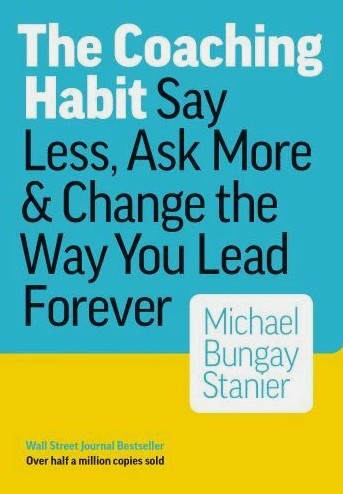
This post contains affiliate links; I earn a commission if you make a purchase.
©ComCor Advisory. All Rights Reserved
Clarity, growth, and guidance