
The 15-Minute Remote Work Reset: Small Movement Tools That Break the Sit-All-Day Pattern
Remote work can quietly train the body into stillness. Hours at a screen, minimal transitions, and back-to-back calls create a workday that looks manageable on paper but often feels heavy by late afternoon. Tight hips, a sore neck, low energy, and that end-of-day “shut down” feeling are often less about workload alone and more about what happens when the body barely moves. A short reset does not need to be complicated to help. The right small tools can make it easier to interrupt the sit-all-day pattern, reduce physical strain, and build a healthier rhythm into the remote workday.
PROJECT
12/1/2025


Remote work is a mental marathon that often leaves your body stuck at the starting line. It’s not just the workload that wears you down; it’s the stillness. Hours of screen focus and chair-time create a physical "shutdown" by 3PM that most people mistake for simple stress.
The fix isn't a high-intensity workout or a complex wellness plan—it’s a 15-minute workday recovery.
This isn't about fitness; it's about movement interruptions that reverse desk posture and jumpstart your circulation without breaking a sweat. To shake off that afternoon slump and end the day feeling functional rather than depleted, try these four simple shifts:
Break the Chair Cycle: Stand up and move just enough to remind your nervous system you aren't a statue.
Reverse the "Hunch": Open up your chest and shoulders to undo the gravity of leaning into a laptop.
Target the Tension: Use quick mobility hits on the areas that tighten most—hips, lower back, and neck.
Reset Your Internal Clock: The most effective way to restore energy without effort is through light. Using a daylight lamp at your desk mimics natural sun exposure, which is proven to boost your mood and regulate the hormones that keep you alert and healthy.
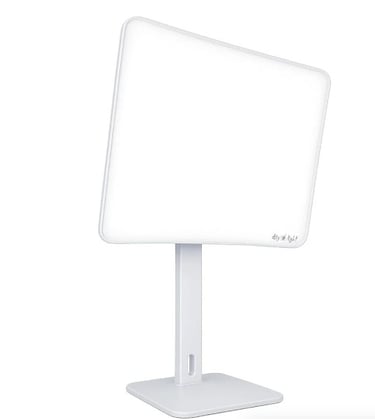
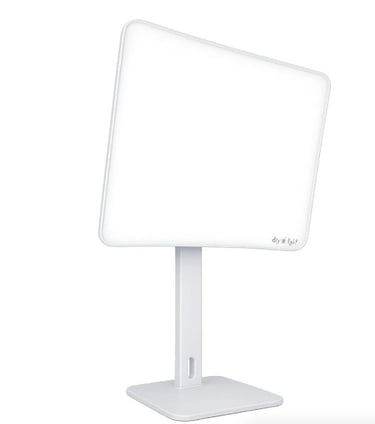
This post contains affiliate links; I earn a commission if you make a purchase.
This daylight lamp has been great for me and gives me more energy and feeling of comfort. By treating these as "micro-recoveries" rather than chores, you can maintain your stamina and leave your desk feeling as good as you did when you sat down.
©ComCor Advisory. All Rights Reserved
Clarity, growth, and guidance