
When Health Rewrites the Plan
Major illness doesn’t just change your body. It changes your calendar, your identity, your confidence, and the way you move through work and relationships. The visible part is the medical side: appointments, tests, medication, side effects, recovery. The invisible part is the psychological load: the constant risk assessment, the grief over lost capacity, and the exhausting effort of looking “normal” when you aren’t. Major illness rewrites more than the body—it rewrites identity, confidence, and how you move through work and relationships. This post names the invisible load behind “looking fine” and offers a practical way to navigate the tradeoffs without burning what’s left of your capacity.
NARRATIVE OF THE MIND
12/8/20254 min read


The hidden costs: guilt and shame
Two emotions show up early and tend to linger: guilt and shame.
Guilt says you’re letting people down. You feel it when you cancel plans, delay a deliverable, miss a meeting, or need accommodations. You feel it when someone has to cover for you. You feel it when you can’t contribute at the level you used to.
Shame goes deeper. Shame says you are the problem. It makes you hide symptoms, downplay limitations, and overcompensate. It turns a health issue into a character flaw. It can push you into decisions that look responsible on paper but are destructive in practice.
Both emotions are intensified by modern work culture, which quietly rewards endurance and treats limits as a negotiation. If you’ve built your identity around competence and output, illness can feel like a personal demotion even when it’s simply reality.
The fear of what people think
A major barrier to getting healthier is social fear. Fear of being judged. Fear of being treated differently. Fear of being seen as unreliable. Fear of losing opportunities. Fear of being replaced.
That fear often overrides the simple truth: your body doesn’t respond to reputational management. You can protect your image for months and pay for it with setbacks. You can keep saying yes and slowly remove your own capacity to say yes to anything that matters.
Illness forces an uncomfortable audit. It asks: What are you protecting—your health, or other people’s perception of you?
When the career ladder becomes the wrong metric
For many people, one of the hardest decisions is accepting a step back at work: a smaller role, fewer hours, reduced scope, less intensity, less leadership, fewer decision burdens.
From the outside, this can look like regression. Internally, it can feel like loss. But for someone managing illness, it can be the most rational move available.
A “lesser” role isn’t always less. Sometimes it’s the correct level of demand for your current physiological reality. Sometimes it’s what allows you to stay employed at all. Sometimes it protects long-term health by preventing repeated crashes. Sometimes it creates space to rebuild stability—sleep, routine, nutrition, stress tolerance—so you can make decisions from a steady place instead of survival mode.
There’s also a truth people avoid saying out loud: a step back can be a form of leadership. It’s leadership over your own life.
The psychological work: accepting limits without surrendering agency
Acceptance gets misunderstood. It’s not resignation. It’s not giving up. It’s stopping the fight with reality so you can spend your energy where it actually changes outcomes.
Illness often removes the option of brute force. You can’t “push through” indefinitely. The real work becomes strategic: pacing, boundaries, and honest tradeoffs.
Agency looks different here. It looks like:
choosing what matters most this season and dropping the rest
building a minimum viable routine that protects your baseline
saying no earlier, before things become emergencies
planning recovery as part of work, not as a reward after work
treating stability as a primary objective, not a side benefit
Putting health above all without isolating yourself
When health becomes the priority, other priorities shift. That can surface grief, because you’re not only changing your schedule—you’re changing the story of who you are.
This is where people often discover what they actually value. Not the abstract values they put on paper, but the real ones revealed under constraint: family, friends, time, relationships, meaning, peace, presence.
Work can be a source of purpose and identity, but it’s rarely the thing people wish they had protected more when their health is on the line. Illness has a way of clarifying what’s durable.
One practical reframe helps: you’re not choosing health instead of life. You’re choosing health so you can keep a life.
The practical turning point: honest planning
A shift happens when you move from coping to planning.
Coping is reactive. It’s patching today’s leak. Planning is structural. It’s building a life that doesn’t require constant emergency response.
Honest planning includes:
realistic capacity estimates (not aspirational ones)
defined boundaries around time, stress, and recovery
a smaller set of commitments you can actually sustain
clear communication at work about constraints and expectations
a support plan for flare-ups (so you don’t improvise under pressure)
This isn’t about broadcasting your medical history. It’s protecting your baseline with clarity.
The quiet win: redefining success
Illness forces a new definition of success.
Success becomes consistency, not intensity. It becomes fewer crashes. It becomes predictable energy. It becomes being able to show up for the people you love. It becomes doing good work at a sustainable pace. It becomes living without constant fear of the next setback.
A premium career is not always a bigger title. Sometimes it’s a career you can keep and sustain.
Major illness is a ruthless teacher. It shows you what matters, what doesn’t, and what you’ve been sacrificing to keep a story alive. It exposes how often fear of judgment shapes decisions that quietly harm you.
The hardest lesson is also the most freeing: you’re allowed to change the plan. You’re allowed to choose health over image. You’re allowed to step back to stay whole. And you’re allowed to build a life where work fits inside your health—rather than demanding your health as the price of admission.
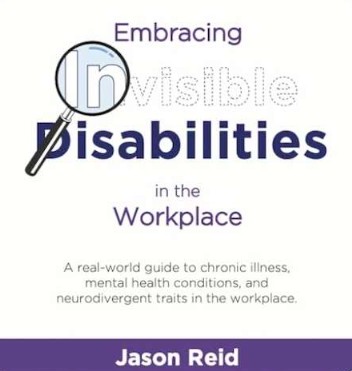
This post contains affiliate links; I earn a commission if you make a purchase.
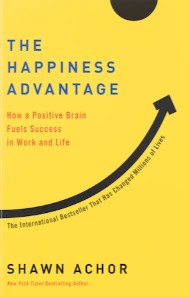
©ComCor Advisory. All Rights Reserved
Clarity, growth, and guidance